Where we’re at, and where we’re going
Our job is digital transformation of government, and now feels like a good time to outline how we are going to do that.
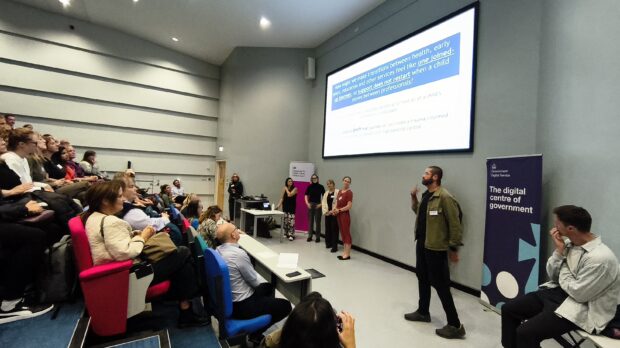
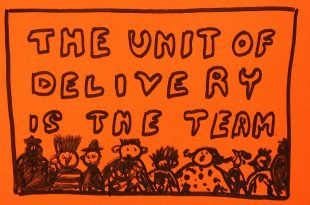
Like ‘bunting in the office’ and ‘cake on release days’, ‘slides with big words’ has become one of GDS’s hallmarks. A few weeks on from Sprint 16 I wanted to write about why we encourage that.
Today we hear from two content experts about testing content (don't worry, the Yoda will make sense if you read on).
Eddie Davies is a service manager at Land Registry. Today he shares the experiences of the first cross-government service manager community meeting.
We have a new Advisory Board. Before their first meeting, we wanted to let them know a bit more about what we do. In the spirit of 'publish, don't send', we decided to write them an open letter here on the blog.
The government will provide up to £5 million to develop options for an authoritative address register that is open and freely available.
Individual registers are good but an ecosystem of linked registers is even better. That’s why every register needs to be designed with the wider ecosystem in mind.
We’re aiming to bring together how we apply a digital way of thinking and our own design principles to make GDS a better place to work.
Today is International Women's Day, and I'm committing, in public, to the first of several actions that GDS is going to take to help improve gender diversity. In future, no-one from GDS will take part in a panel discussion of two or more people unless there is at least one woman on the panel.
Phil Rumens is the Digital Services Manager at West Berkshire Council and the vice-chair of LocalGov Digital. In this post, he talks about creating a Local Government Digital Standard.
We’ve talked elsewhere about how to make and share service patterns, but now seems a good time to explain in more detail what they do and how important they are.