
How talent shapes transformation
Government spends a lot of time talking about digital transformation, whether that’s implementing new technology, thinking about operating models, or delivering services differently. We spend less time talking about who is doing the transforming.
The people delivering transformation often matter more than the programme, technology or operating model.
At CustomerFirst, we've focused on a simple question: how do you build exceptional transformation teams inside of government?
Typically, transformation teams are either surged or assembled through whatever recruitment route or resource happens to be available. But filling vacancies isn’t the same as building an expert, high performing team. That distinction matters, and that’s why we’re trying to do things differently.
Beyond a single talent pipeline
As a time-limited transformation programme, we need specialist expertise in areas such as service design, customer experience, organisational change and digital delivery.
These skills are in high demand across both government and industry, so relying on a single route into talent would limit the range of experience and capability we could bring together.
Rather than deciding up front whether a role should be filled through a secondment, fixed-term appointment, managed move or contingent labour, we've often explored multiple routes simultaneously. This allows us to compare different types of experience, backgrounds and perspectives before deciding the best way to bring capability into the team.
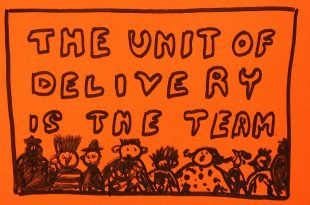
Our aim isn’t just to recruit faster, but to design the team deliberately. Bringing together different skills and perspectives around a common mission, so the team has the capability and ownership needed to deliver transformation.
Our team includes people who have worked in major government departments, startups, consultancies, and some of the UK’s most innovative and recognised organisations. They arrived through different routes, but the experience they describe is strikingly consistent. It reflects deliberate choices about how we build our team.
Ruby joined CustomerFirst on secondment from Octopus, bringing extensive experience in customer experience strategy and operating model design.
“There’s real freedom to design where you can add value, shape your own path, and run with things.”
Ruby Mitchell | LinkedIn
Raj joined CustomerFirst as a Service Design Lead through contingent labour, bringing experience from across government as well as founding his own companies.
“Having worked across different departments, I’ve seen the same issues come up again and again, so you can quickly focus on where to look. What’s different in CustomerFirst is the autonomy – there’s no real sense of hierarchy, and you’re trusted to explore and fix what matters.”
Raj Panjwani | LinkedIn
Jack joined CustomerFirst from HMRC through a managed move and is working as a Service Designer, helping to transform DVLA Drivers Medical through rapid, customer-centred redesign.
“What feels different in this team is the mix of ambition, agency and permission. You’re trusted to make decisions, test ideas quickly, bring people together across disciplines, and remove the blockers.”
Jack Strachan | LinkedIn
Assessing for impact
If people determine whether transformation succeeds, recruitment has to assess more than experience. Experience and technical expertise matter, but impact comes from how people use those skills in practice.
For CustomerFirst, that means looking for people who can build trust across disciplines, challenge constructively, share ownership, make decisions at pace and keep focused on solving whole problems for users.
Those qualities can be harder to assess than technical expertise, but they are often what turns capability into delivery. For some specialist roles, we've designed role-specific scenarios and assessments with subject matter experts, asking candidates to work through realistic transformation challenges rather than simply describe previous experience. We use those conversations to explore how candidates navigate ambiguity, challenge established approaches, bring people together around a shared goal and make progress when there is no obvious answer.
This does not replace assessment of skills; it strengthens it. The aim is to build a fuller picture of not only what somebody can do, but how they might contribute to the environment needed for transformation to succeed.
Mixed teams are powerful, but not automatically easy
Building a team through different routes creates real benefits, but it also creates challenges. People arrive with different disciplines, employment arrangements and experiences of how organisations work.
We've found that those differences only become a strength when people are united by a common mission rather than defined by their role, profession or route into the team. That means creating shared ownership of outcomes, encouraging people to contribute beyond their specialism and treating constructive challenge as a necessary part of delivery, not something to avoid.
One of the benefits has been a reduction in hierarchy. People are trusted to take ownership of outcomes, regardless of their job title or contract type. Combined with shared team objectives, this creates stronger accountability for what the team delivers together, rather than what individuals deliver alone.
What we’re learning
A few lessons are already emerging.
First, transformation teams benefit from multiple routes into talent. Bringing together people from government, industry and specialist transformation backgrounds create a richer mix of experience and perspectives.
Second, adaptability is often as important as experience. The ability to learn, collaborate and navigate uncertainty regularly proves more valuable than having seen the same problem before.
Finally, the way you design a team directly shapes how it operates. Recruitment is not just a mechanism for filling roles. It’s one of the most important tools for creating the culture, behaviours and capability needed to deliver transformation. The aim is not to move away from Civil Service Recruitment Principles. It is to use the flexibility within them more deliberately.
We're building in the open, including how we grow our team. If any of this resonates, we'd love to hear from you. Get in touch with the CustomerFirst Talent team: customer.first.talent@dsit.gov.uk

1 comment
Comment by john mortimer posted on
An excellent approach, breaking the mould is what is sorely needed. And using external people to bring in new ways of thinking and acting.